Compare
ADHD coaching vs therapy vs medication
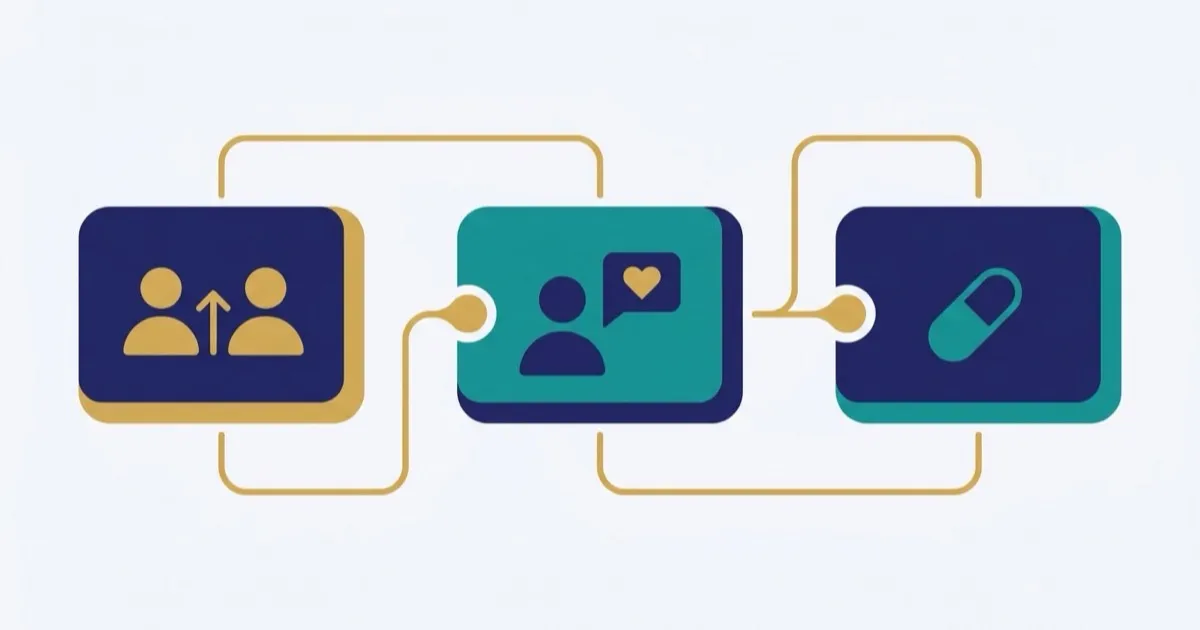
ADHD coaching, therapy and medication do different jobs: coaching focuses on practical strategies and structure, therapy provides a recognised psychological treatment, and medication is a prescription-only clinical option. NICE describes an overall approach that can combine medication and non-medication support. This is information, not advice on what to choose, and only a qualified clinician can diagnose ADHD or decide on treatment.
Information only, not medical advice and not a diagnosis. This page does not recommend a treatment, a coach or a medicine. What is appropriate for you is a decision for your clinician.
What each one does
| Support | What it focuses on | Who provides it | Note |
|---|---|---|---|
| Coaching | Practical strategies, structure, accountability | An ADHD coach (not a regulated clinical role) | Standards vary; check training and approach |
| Therapy | Recognised psychological treatment, such as CBT | A trained therapist or psychologist | Often used for difficulties alongside ADHD |
| Medication | A clinical, prescription-only option | A specialist clinician, with GP shared care | Described in NICE NG87; clinician decides suitability |
This table describes what each form of support is, drawing on NICE guideline NG87 and the NHS ADHD pages. It is not a recommendation of one over another.
How they can work together
These are not competing choices so much as different tools. NICE describes an overall approach to ADHD that can include medication alongside non-medication support, and many people use more than one. Coaching and therapy address different things: one is largely practical, the other a recognised psychological treatment. How they combine, and whether medication is part of the picture, is something to work out with your clinician rather than from a checklist.
Related guides
For the medicines specifically, see ADHD medication types compared. For a broader look at non-medication support, see what actually helps with ADHD. If you are not yet assessed, start with how to get an ADHD assessment, and if you have just been diagnosed, our newly diagnosed guide covers what tends to come next.
Frequently asked questions
What is the difference between an ADHD coach and a therapist?
An ADHD coach typically focuses on practical strategies, structure and accountability for day-to-day challenges, and is not a regulated clinical role. A therapist provides a recognised psychological therapy, such as CBT, often for difficulties that sit alongside ADHD. They are different things and are not interchangeable. Only a qualified clinician can diagnose ADHD or decide on treatment.
Do I have to take medication for ADHD?
No. NICE describes an overall approach for ADHD that can include medication and non-medication support, and the right combination is an individual clinical decision. Whether medication is used at all is for your clinician to discuss with you. This page is information, not advice on what to choose.
Can I do coaching, therapy and medication at the same time?
They are not mutually exclusive, and people often use more than one form of support. How they combine is something to discuss with your clinician, who can take account of your full situation. This is general information, not a treatment plan.
Is ADHD coaching regulated?
ADHD coaching is not a regulated clinical profession in the same way as, for example, a psychologist or psychiatrist. That does not mean it has no value, but it does mean standards vary, so it is worth checking a coach's training and approach. Diagnosis and treatment remain matters for a registered clinician.
Editor, ADHD Helper
Adam leads ADHD Helper's editorial coverage of adult ADHD, and he writes it from lived experience: Adam has ADHD himself, diagnosed as an adult, and has been through the assessment routes and the daily workarounds this site covers. He is the founder and managing director of Muswell Rose and researches the plain-English explainers on getting an ADHD assessment through NHS Right to Choose or privately, and on the products and tools people use to manage ADHD, drawing on guidance from the NHS, NICE and the Royal College of Psychiatrists. He is clear that the site is information, not medical advice, and that diagnosis is for a registered clinician.
Last reviewed: 24 July 2026