Living with ADHD
What actually helps with adult ADHD
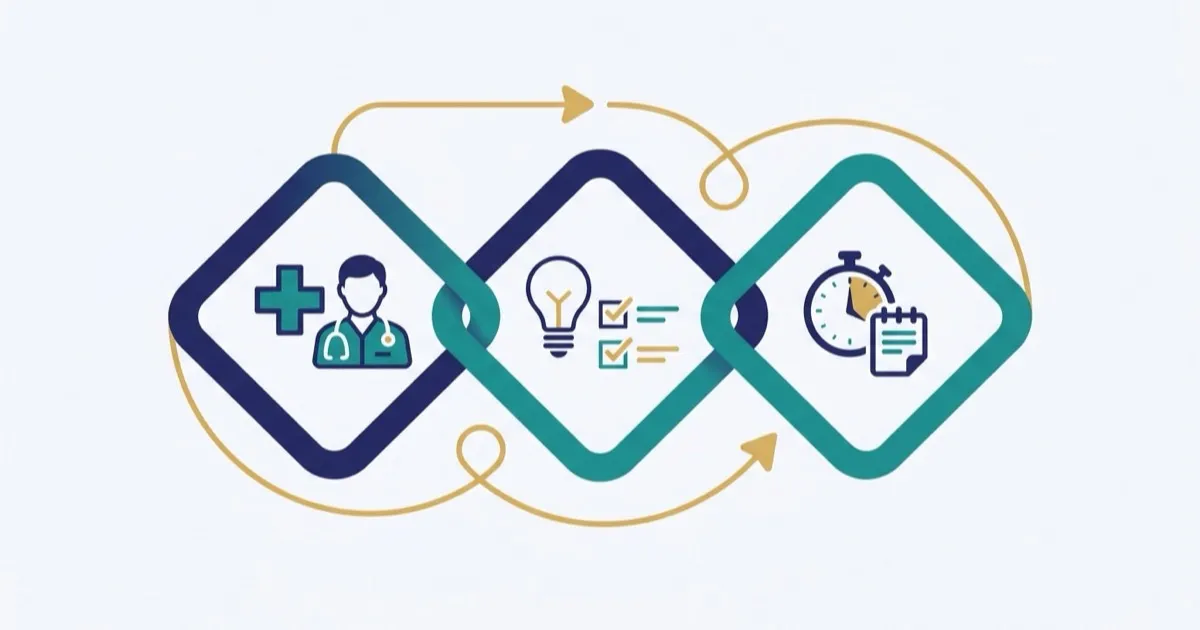
What helps with adult ADHD is usually a combination, tailored to the person: clinical treatment such as medication or therapy where appropriate, everyday strategies that add structure, and practical tools that reduce friction. Supplements and gadgets may help some people feel more organised, but they are not treatments and do not replace clinical care. The right plan is one you make with your clinician. This is information, not medical advice.
Information only, not medical advice and not a diagnosis. Treatment decisions are for a registered clinician. Nothing here claims to treat or cure ADHD.
Clinical treatment
NICE guidance (NG87) sets out how ADHD is managed, including a role for medication and for non-medication approaches such as structured support and therapy. The right combination is individual and is decided with a clinician after assessment. If you have not yet been assessed, our guide to getting an ADHD assessment explains the routes.
Everyday strategies
Many adults report that adding external structure helps them work with how their attention behaves rather than against it. Common approaches include:
- Breaking tasks into small, visible steps.
- Using one capture system for tasks, so nothing relies on memory alone.
- Building consistent routines for sleep and the start of the day.
- Reducing distraction in the environment where you need to focus.
These are general strategies that suit some people and not others. They support clinical care; they do not replace it.
Tools and supplements: an honest view
Practical tools such as timers, planners and fidget items can reduce friction for some people, and some find certain supplements helpful for general wellbeing. The evidence for supplements in ADHD is mixed, and none is a treatment. Talk to a clinician or pharmacist before starting a supplement, especially if you take medication. Where we cover products, we are clear about what they are and are not. See our ADHD tools and supplements hub for a claims-safe overview, including a closer look at magnesium for ADHD.
If you take medication
If you are prescribed medication and supply is disrupted, do not stop or change it on your own. Our guide to an ADHD medication shortage sets out the calm, safe steps to take, starting with your pharmacist and prescriber. For a factual overview of the options, see ADHD medication types compared and how coaching, therapy and medication differ.
Frequently asked questions
What is the most effective treatment for adult ADHD?
For many adults, a combination of approaches works best, and the right plan is individual. NICE guidance describes a role for medication and for non-medication support such as structured strategies and therapy. What suits you is a decision to make with your clinician.
Do supplements treat ADHD?
No supplement is a treatment for ADHD. Some people find certain supplements helpful as part of general wellbeing, but evidence is mixed and they are not a substitute for clinical care. Speak to a clinician or pharmacist before starting any supplement.
Can lifestyle changes help with ADHD?
Many adults find that sleep, exercise, routines and external structure help them manage day to day. These support, rather than replace, any clinical treatment, and what helps varies from person to person.
Where do tools and apps fit in?
Practical tools such as timers, planners and reminder apps can help some people build structure. They are aids, not treatment, and they work best alongside, not instead of, advice from your clinician.
Editor, ADHD Helper
Adam leads ADHD Helper's editorial coverage of adult ADHD, and he writes it from lived experience: Adam has ADHD himself, diagnosed as an adult, and has been through the assessment routes and the daily workarounds this site covers. He is the founder and managing director of Muswell Rose and researches the plain-English explainers on getting an ADHD assessment through NHS Right to Choose or privately, and on the products and tools people use to manage ADHD, drawing on guidance from the NHS, NICE and the Royal College of Psychiatrists. He is clear that the site is information, not medical advice, and that diagnosis is for a registered clinician.
Last reviewed: 4 August 2026