Living with ADHD
ADHD at work: your rights and adjustments
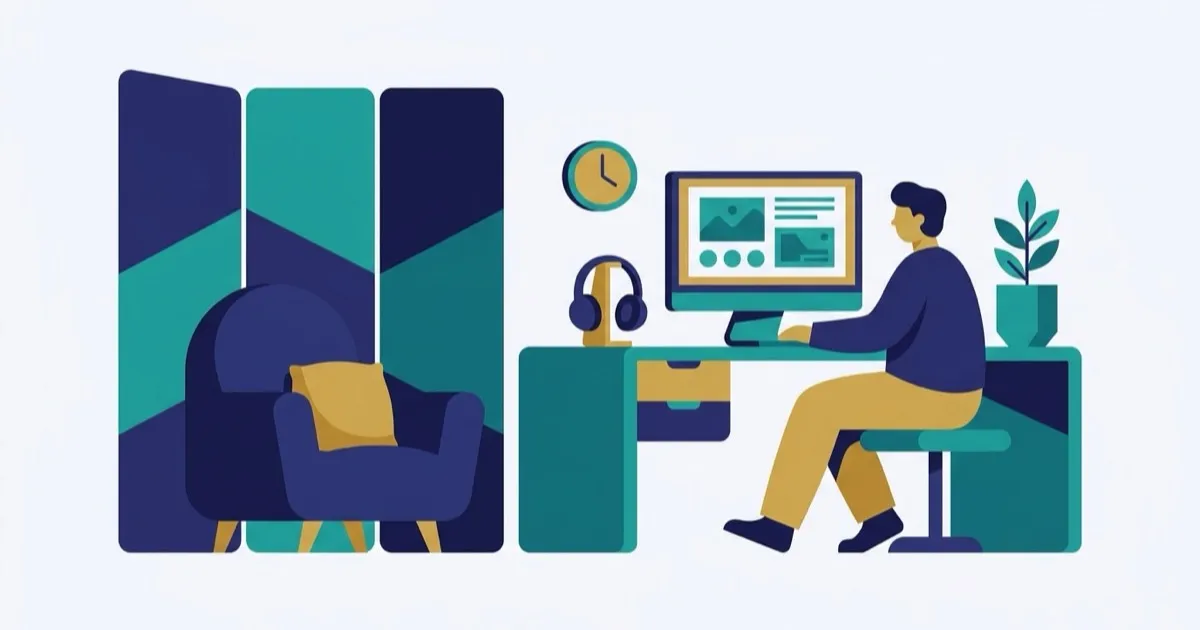
In the UK, ADHD can count as a disability under the Equality Act 2010 where it has a substantial and long-term effect on everyday activities. If it does, your employer has a duty to consider reasonable adjustments, such as flexible hours or written instructions. ACAS publishes free guidance on how this works and how to raise it. This is general information, not legal or medical advice; for your own situation, take advice from ACAS or a qualified adviser.
Information only, not legal or medical advice. Whether the Equality Act applies in a particular case is a legal question. For a decision about your own situation, contact ACAS, a trade union, or a qualified adviser.
When ADHD is covered by the Equality Act
Under the Equality Act 2010, a condition can count as a disability where it has a substantial and long-term adverse effect on a person's ability to carry out normal day-to-day activities. ADHD can meet that definition, but it is decided case by case, and it is a legal judgement rather than something a website can confirm for you. ACAS sets out how the test works and where to get help.
What reasonable adjustments can look like
If ADHD is covered, an employer has a duty to consider reasonable adjustments so you are not put at a disadvantage. What is reasonable depends on the job and the organisation, but ACAS gives examples that can include:
- Flexible start times or a structured routine.
- Written follow-ups after verbal instructions.
- A quieter space, headphones, or fewer interruptions for focused work.
- Help breaking large tasks into clear steps or deadlines.
These are illustrations, not entitlements. The specific adjustments are agreed between you and your employer based on your role.
How to raise it
You can raise adjustments with your manager, HR or occupational health. ACAS recommends being clear about the difficulty you face and the change that would help, rather than needing to justify a diagnosis in detail. You are not generally obliged to disclose a condition, but an employer can only act on what they are aware of. If you need support, ACAS, a trade union, or Citizens Advice can help.
Go deeper: the full work-rights guides
- Is ADHD a disability in the UK? The Equality Act test, including the medication rule most pages get wrong.
- Reasonable adjustments for ADHD: the duty, a concrete adjustments table, and how to ask.
- Telling your employer: whether, when, and word-for-word how.
- Your employment rights: the five protections, dismissal, and how to challenge.
- Access to Work: the DWP grant that funds coaching, software and support workers in your job.
If you have not been assessed yet
A formal diagnosis is not always needed to request a workplace change, but many people find an assessment helpful for clarity and support. Our guide to getting an ADHD assessment explains the routes, and what actually helps with adult ADHD covers strategies you can use alongside any adjustments.
Frequently asked questions
Is ADHD covered by the Equality Act 2010?
ADHD can count as a disability under the Equality Act 2010 where it has a substantial and long-term adverse effect on the ability to carry out normal day-to-day activities. Whether it applies in an individual case is a legal question, so for a definitive view, take advice from ACAS or a qualified adviser. This is general information, not legal or medical advice.
What are reasonable adjustments?
Reasonable adjustments are changes an employer makes so a disabled employee is not put at a disadvantage. ACAS explains that what is reasonable depends on the role and the organisation. Examples can include flexible hours, written instructions, or a quieter space. They are agreed case by case.
Do I have to tell my employer I have ADHD?
You are not generally required to disclose a health condition, but an employer can only consider adjustments for something they are aware of. Many people choose to disclose in order to request support. ACAS has guidance on disclosure and on how to raise it. The choice is yours.
Where can I get reliable help on my rights?
ACAS provides free, impartial guidance on disability, reasonable adjustments and the Equality Act for employees and employers in Great Britain. For a decision about your own situation, speak to ACAS, a trade union, or a qualified legal adviser.
Editor, ADHD Helper
Adam leads ADHD Helper's editorial coverage of adult ADHD, and he writes it from lived experience: Adam has ADHD himself, diagnosed as an adult, and has been through the assessment routes and the daily workarounds this site covers. He is the founder and managing director of Muswell Rose and researches the plain-English explainers on getting an ADHD assessment through NHS Right to Choose or privately, and on the products and tools people use to manage ADHD, drawing on guidance from the NHS, NICE and the Royal College of Psychiatrists. He is clear that the site is information, not medical advice, and that diagnosis is for a registered clinician.
Last reviewed: 24 July 2026